Nº 01 Raw Denim
What "Raw Denim" Actually Means — And Why Your Brand Should Care
A 1,800-word buyer's guide to sanforized vs. unsanforized, why 14.5 oz is the B2B sweet spot, and the three questions every denim retailer gets wrong.
7 min read
Three generations of denim millers. From raw cotton to selvedge
jean — every pair stitched under one indigo roof since 1987.
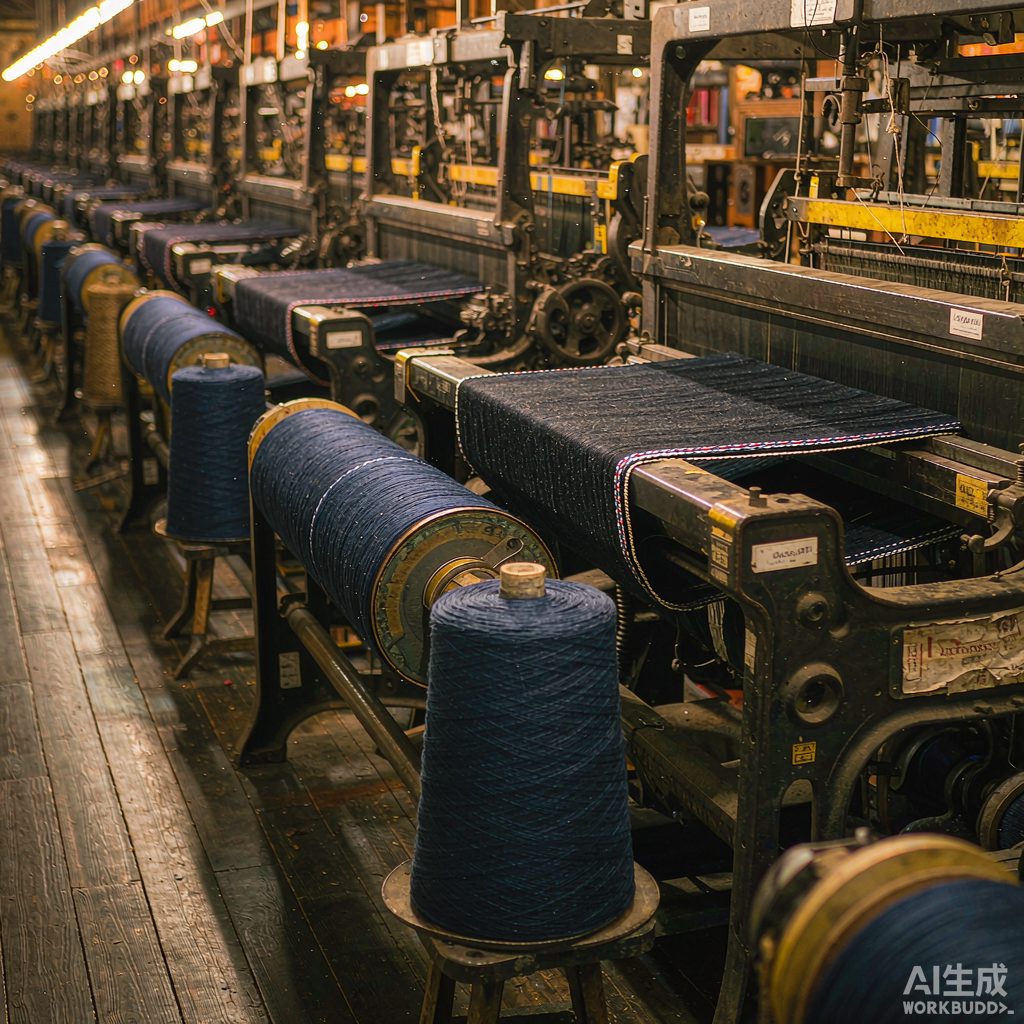
My grandfather opened a 12-loom indigo mill on the North China plain in the spring of 1987. We were weaving for whoever walked in the door — work pants for a state-owned uniform contract, denim for a Hong Kong trading house, scraps for whoever paid cash on Friday.
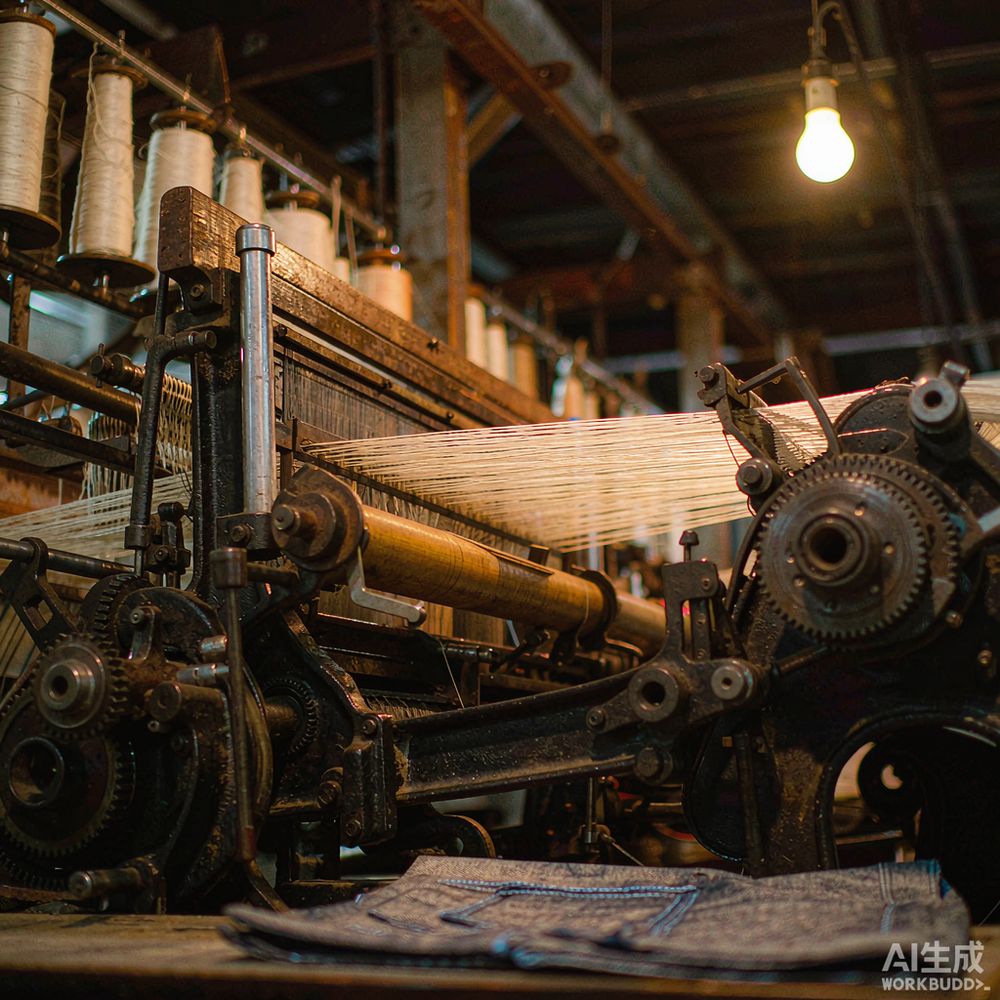
Thirty-seven years on, the door is still the same. What changed is the dye: pure Japanese indigo, six dips, a closed-loop reclaim, no sulphur. What changed is the weave: 86 Toyoda G3 shuttle looms running 30-inch selvedge at fourteen-five ounces.
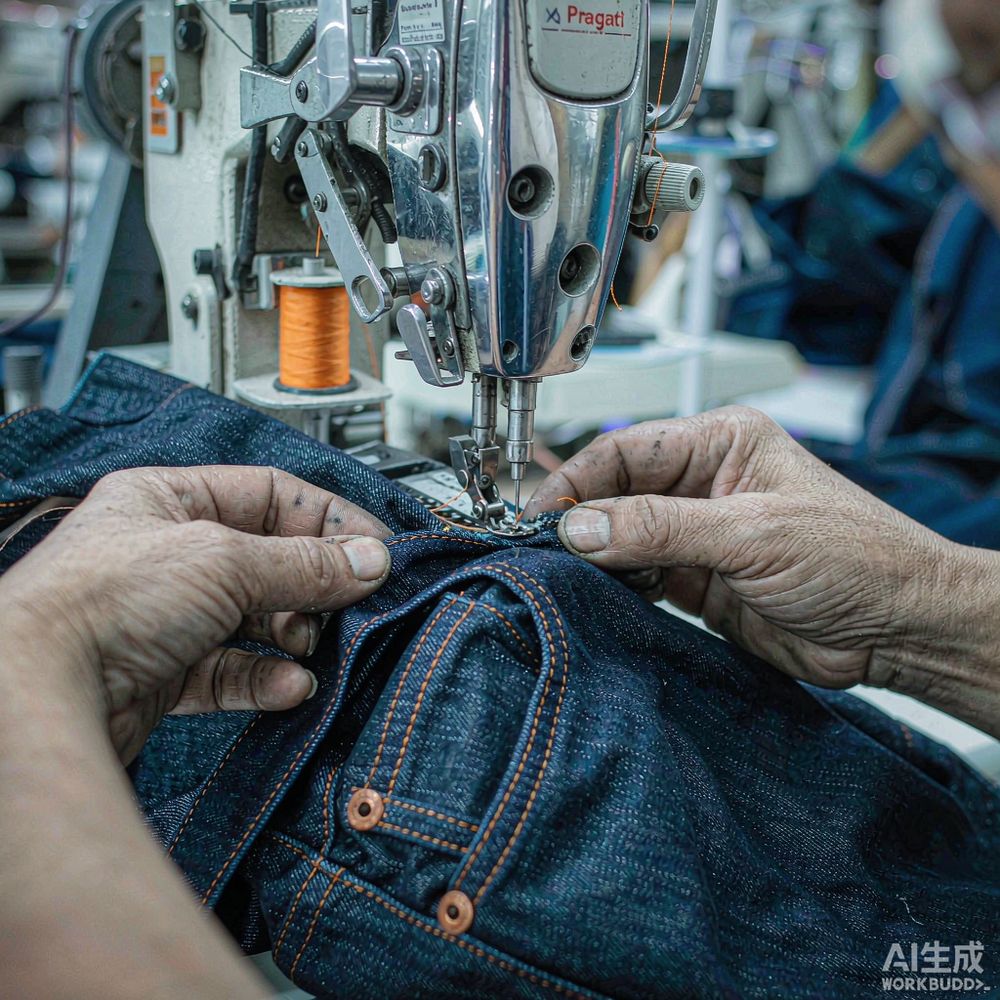
What did not change is the rule my grandfather wrote on the door the year I took it over: no pair may leave this mill with a stitch not tied by these hands.
— Lin Wenhao, Founder & Third-Generation Miller
Thirty-seven years. One roof. No middlemen.
Grandfather Lin opens a 12-loom indigo mill on the North China plain.
Imports Japanese Toyoda G3 shuttle looms. Selvedge line launches.
Standard 100 certification. First export order to a Berlin boutique.
New 18,000 m² floor. 240 artisans. 60,000 pairs per month.
Closed-loop water system. 70% recycled cotton across all lines.
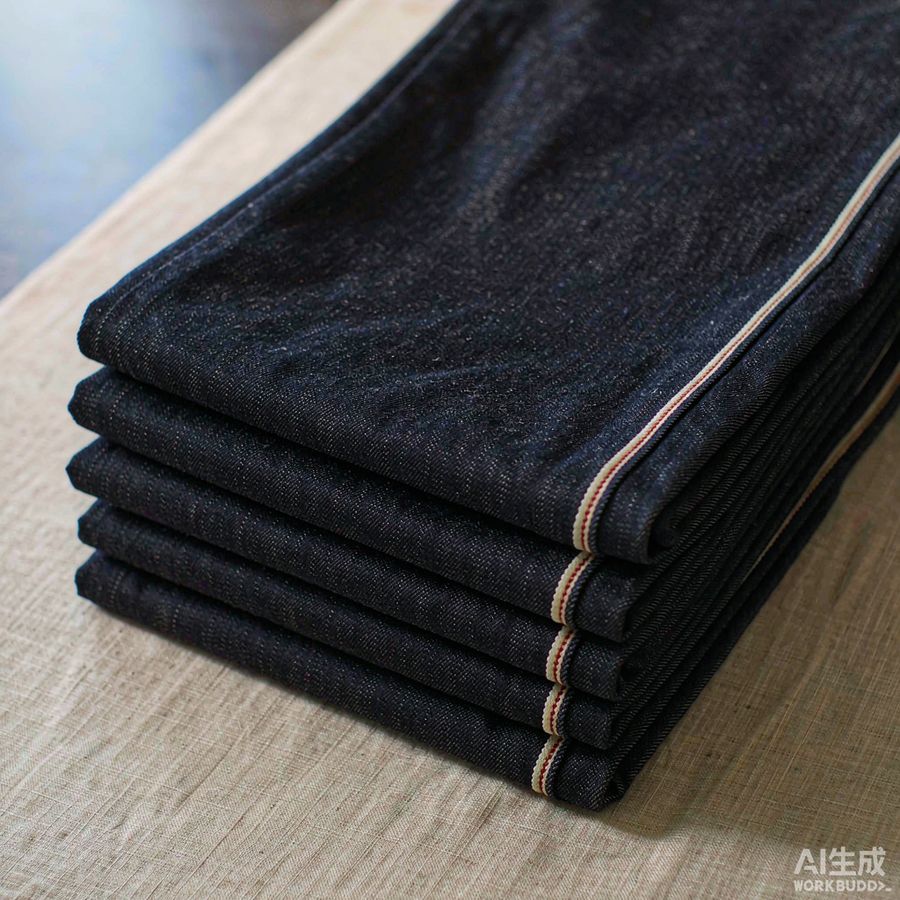
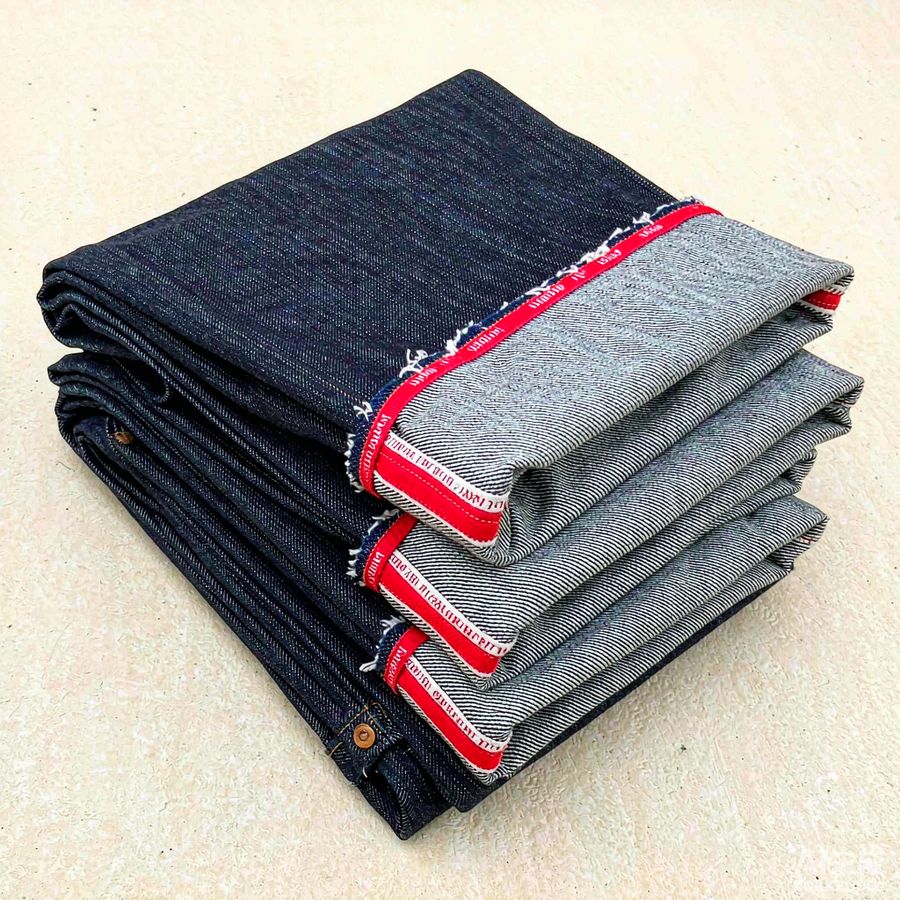
14–16.5 oz shuttle-loom selvedge with the red ID line, chain-stitched hems, hidden rivets. The connoisseur’s jean, straight from our 86 Toyoda G3 looms.
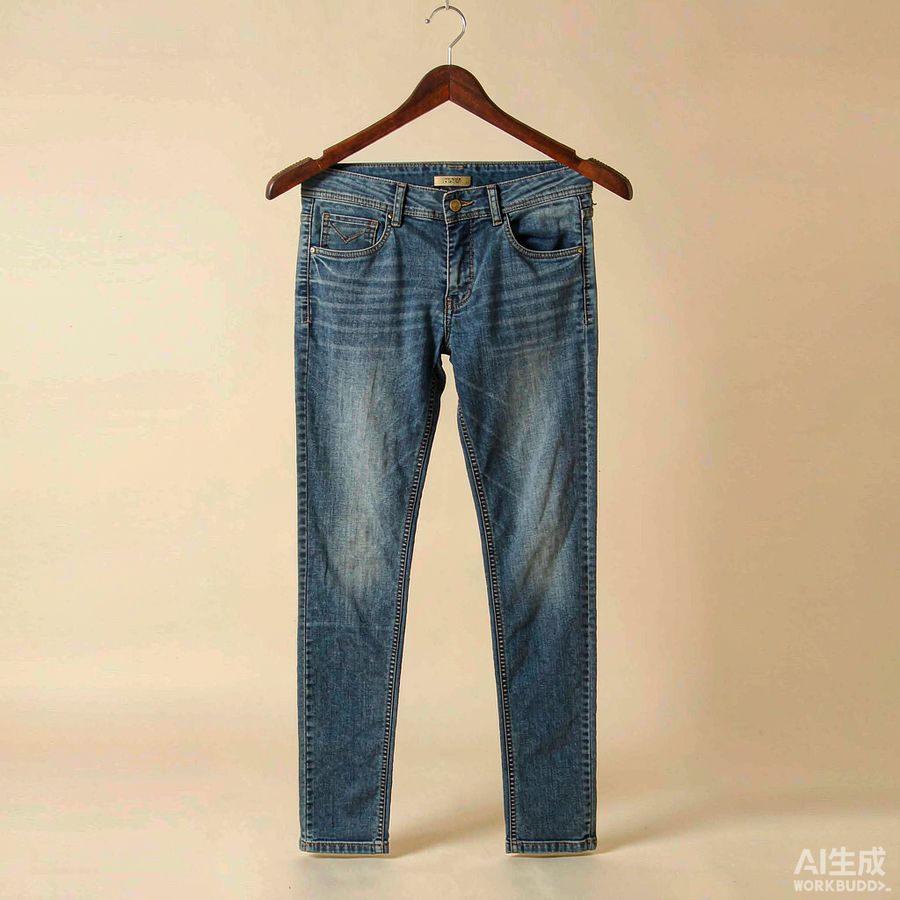
1–3% elastane woven in-house for recovery that outlasts wash fifty. Comfort without the sag — the volume workhorse of our export line.
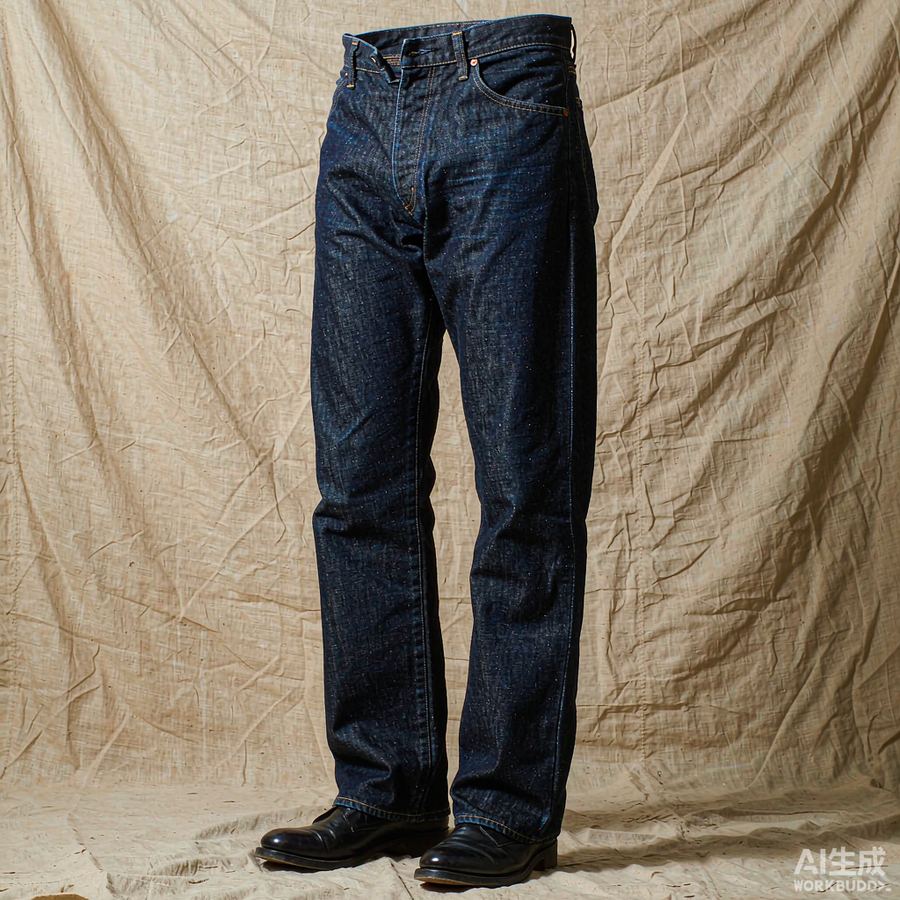
The reference cut. Vintage five-pocket construction, roomy through the thigh, clean fall from knee to hem — in rigid, washed or stretch builds.
Plus 8 real production photos — four washes photographed as produced, ready to quote.
Type I, II and III silhouettes. Hand chain-stitched seams, copper rivets, leather patch — unlined, quilted or bonded sherpa.
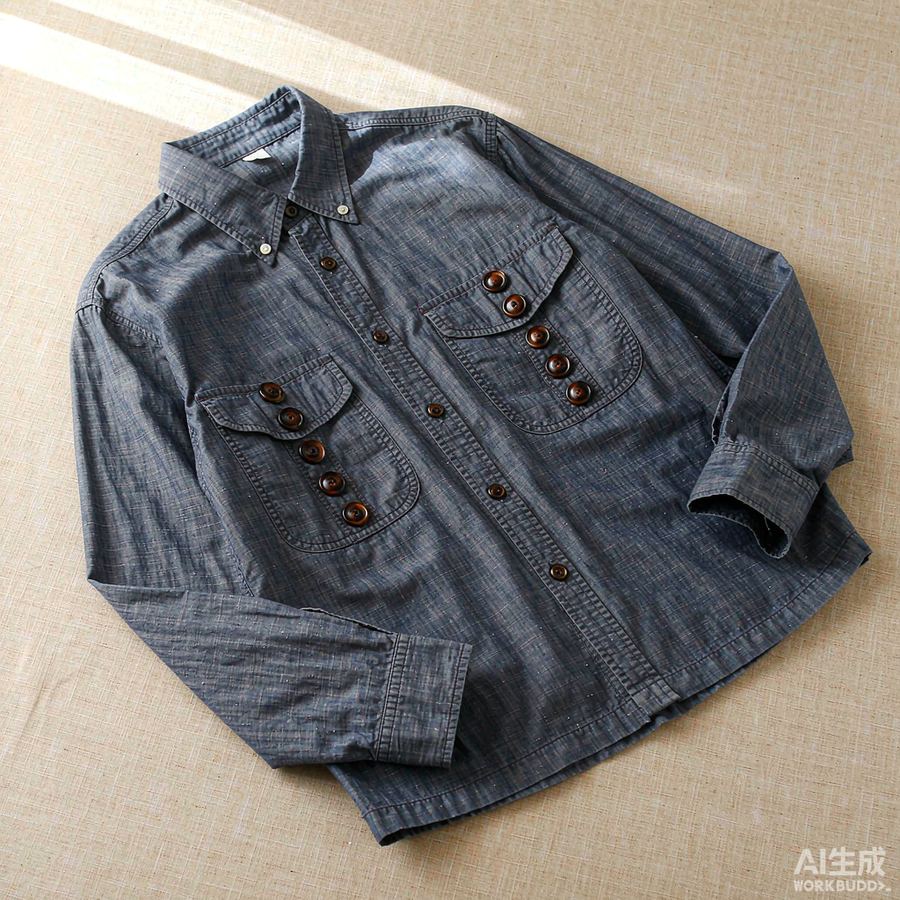
From 4.5 oz chambray to 9 oz overshirt weight. Corozo buttons or snaps, western yokes, tonal embroidery — all cut-and-sewn in-house.
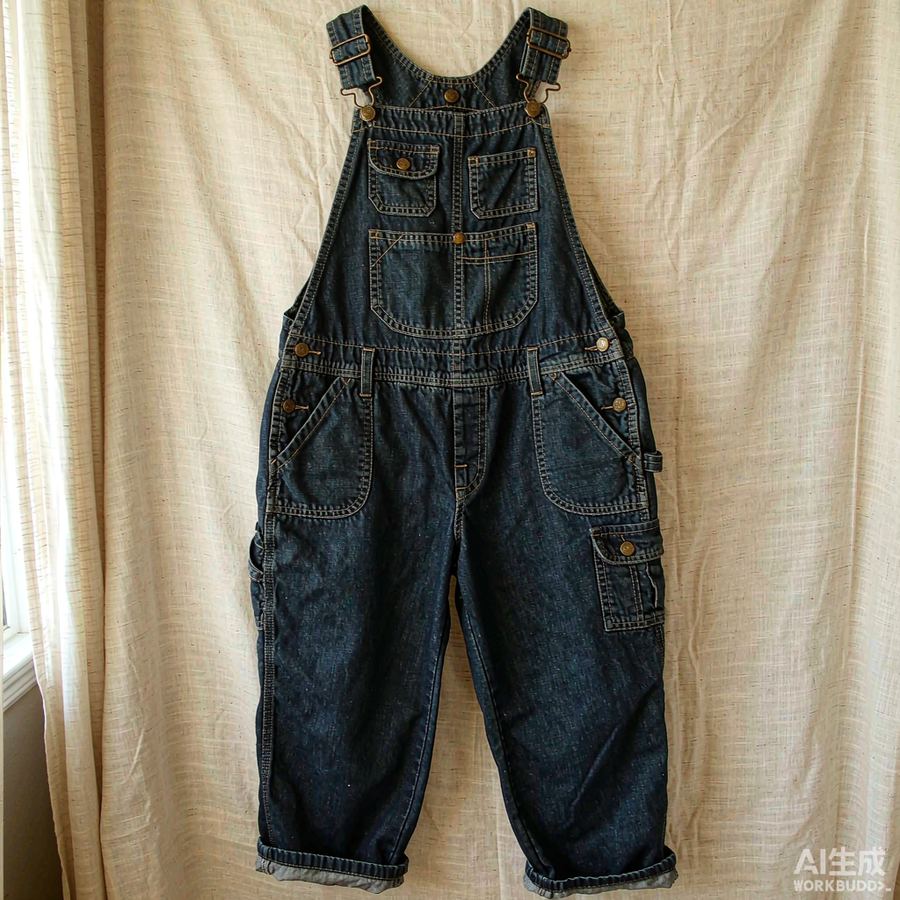
Bib overalls built like workwear — copper buckles, multi-pocket bibs, bar-tacked straps. Rigid, washed or stretch builds.
The full Denim Apparel family — every cut, fabric weight and finish.
From raw bale to boxed shipment, every pair stays inside our 18,000 square meters. No subcontracted cuts. No outsourced dye.
Xinjiang long-staple cotton, hand-graded. Bales opened and carded on Italian Truetzschler lines.
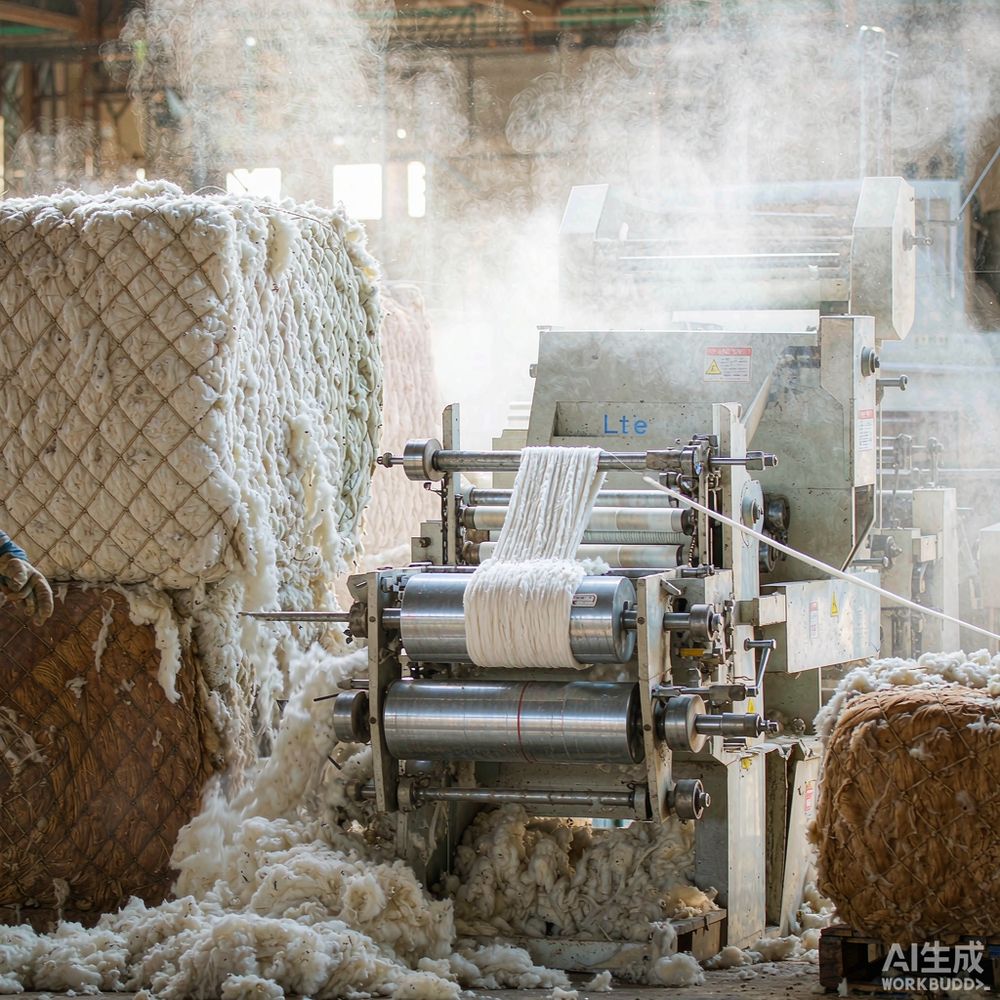
Six-dip rope dyeing on a Japanese Kuroki line. Pure indigo, no sulphur. Closed-loop water.
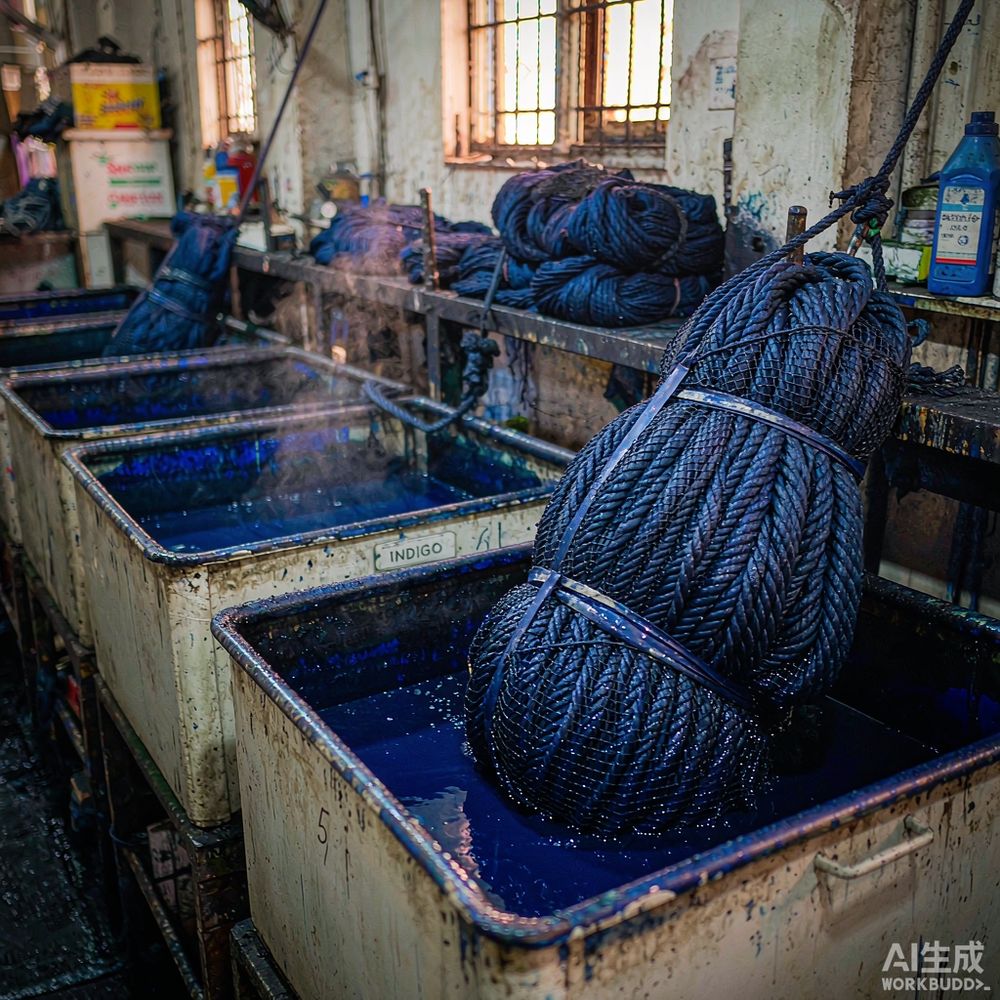
86 Toyoda G3 shuttle looms running selvedge. 30-inch width. 14.5 oz or custom.
CAD-cut, hand-chain-stitched, copper-riveted. Wash, finish, press, pack, ship.
Amfori Business Social Compliance Initiative. Audited annually since 2012.
Standard 100, Class I — safe for direct-skin babywear. Tested yearly.
Global Organic Textile Standard. 100% organic fiber for our Kids line.
4-pillar ethical audit. Labour, health & safety, environment, business ethics.
Quality management and environmental management systems.
Long-form, no-fluff education for denim buyers, brand owners, and designers.
A 1,800-word buyer's guide to sanforized vs. unsanforized, why 14.5 oz is the B2B sweet spot, and the three questions every denim retailer gets wrong.
Why the self-edge matters, the difference between Japanese and Indian selvedge, and what to ask your mill before you sign the PO.
A transparent factory-floor walkthrough — carding, dyeing, weaving, cutting, stitching, washing, finishing, packing. No subcontracting.
Reply within 24 hours on business days. Free swatch sample on first inquiry.
Prefer email? Write to sales@jeans-madeinchina.com
WhatsApp / WeChat: +86 139 5764 6686
No spam. No retargeting. Unsubscribe in one click.